What Is the Deep Web and How Do You Access It in 2026?
The deep web and dark web are often confused terms. One is used for internet archives while the other is used for illegal activity. We're here to help answer the questions: what is the deep web and how do you access it?


Written by Aleksander Hougen (Chief Editor)
Reviewed by Aleksandar Kochovski (Writer)
Facts checked by Andrea Babic (Editorial Assistant)
Last Updated:
All our content is written fully by humans; we do not publish AI writing. Learn more here.
Updated for 2026: We’ve updated this guide to clearly explain the difference between the deep web and the dark web, with revised definitions that reflect how these terms are used today. I’ve also refreshed the security guidance, removed outdated browser and plugin recommendations, and updated the article to focus on modern privacy tools and safe browsing practices.
The deep web is any online content that search engines don’t index. It includes everyday services like email inboxes, online banking, cloud storage, medical portals, company intranets and paywalled publications that require you to sign in or have permission to access.
Although people often use the terms “deep web” or “dark web” interchangeably, they aren’t the same thing. Most of the deep web is accessed through a regular web browser, while the dark web is a small section of the deep web that requires special software such as Tor to access websites with .onion addresses.
The deep web isn’t inherently dangerous; in fact, most internet users access it every day without realizing it. In this guide, I explain what the deep web is, how it differs from the dark web and how to access both safely.
-
02/05/2025 Facts checked
Added updated details to sections on the Silk Road and how dangerous the dark web is, as well as including extra details in our step-by-step guide.
-
05/07/2025 Facts checked
We’ve updated information regarding the Tor browser encryption and using AI-powered security tools when connected to the dark web.
-
08/11/2025 Facts checked
We’ve added the latest information on Tor exit node vulnerabilities, quantum-resistant encryption for Tor and using “bridges” to access Tor in restrictive countries.
-
07/28/2026 Facts checked
We’ve updated this guide to clarify the difference between the deep web and dark web, added practical examples of deep web content and refreshed our security guidance.
What Is the Deep Web?
The deep web is any part of the internet that search engines don’t index. Although it often gets associated with anonymous websites and the dark web, most of the deep web consists of ordinary online services that people use every day.
Common Examples of the Deep Web
Most people use the deep web every day without realizing it. Whenever you sign in to a private account or access content that isn’t publicly indexed by search engines, you’re using the deep web through a regular web browser.
Common examples include:
- Online banking: Account balances, transaction histories and payment information are only available after you sign in.
- Private email: Services like Gmail and Outlook don’t allow search engines to index your inbox.
- Cloud storage: Files stored in services such as Google Drive, OneDrive and Dropbox are private unless you choose to share them.
- Streaming accounts: Personal libraries, watch histories and account settings on services like Netflix and Spotify require authentication.
- Medical portals: Healthcare providers use secure patient portals to give users access to appointments, prescriptions and medical records.
- Academic databases: Many research journals and university libraries restrict access to subscribers, students or staff.
- Company intranets: Businesses often use internal websites to store documents, policies and employee resources that aren’t publicly accessible.
These services are part of the deep web because search engines can’t index their private or restricted content, not because they’re hidden or illegal. In fact, they make up the vast majority of the deep web, while the dark web represents only a small, intentionally hidden section that requires software like Tor to access.
There are several reasons why a webpage may not be indexed, including:
- It requires you to sign in with a username and password, such as an email account or online banking portal.
- It’s protected by a subscription or paywall, like many news websites and academic journals.
- The content is generated from a database only after you perform a search or submit a form.
- Access is restricted to employees, students or customers, such as company intranets or university portals.
- The website owner has instructed search engines not to index the page using robots directives.
- The page isn’t linked from anywhere else, making it difficult for search engines to discover.
Although estimates vary depending on how the deep web is defined, it’s clear that the overwhelming majority of non-indexed content consists of legitimate databases, private systems and restricted online services rather than anonymous websites.
Only a small portion of the deep web is intentionally hidden through networks such as Tor. This hidden section is known as the dark web, where websites use .onion addresses and require the Tor Browser to access.
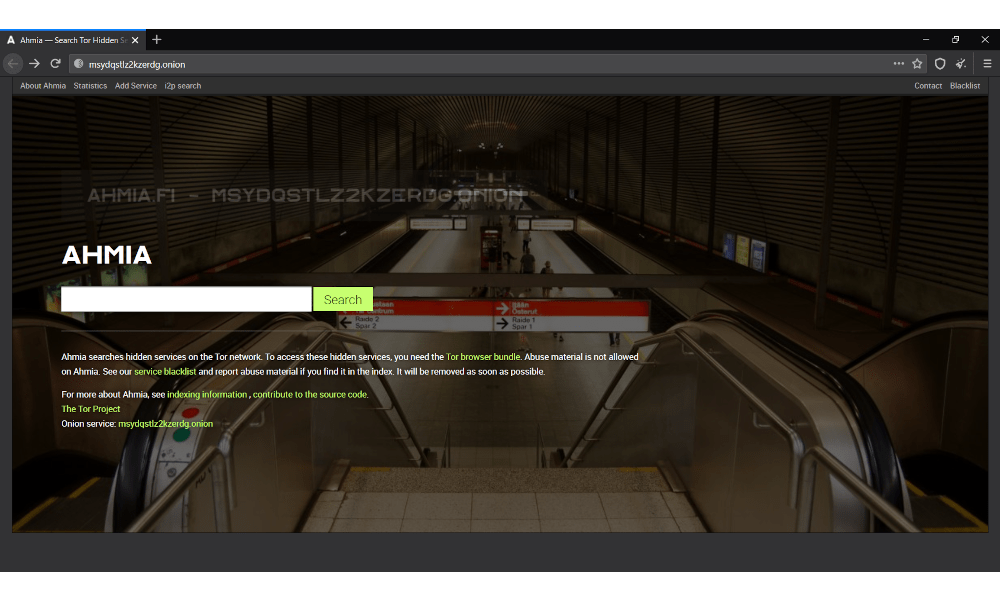
If you want to find dark web services, specialized search engines such as Ahmia can help index publicly listed .onion sites.
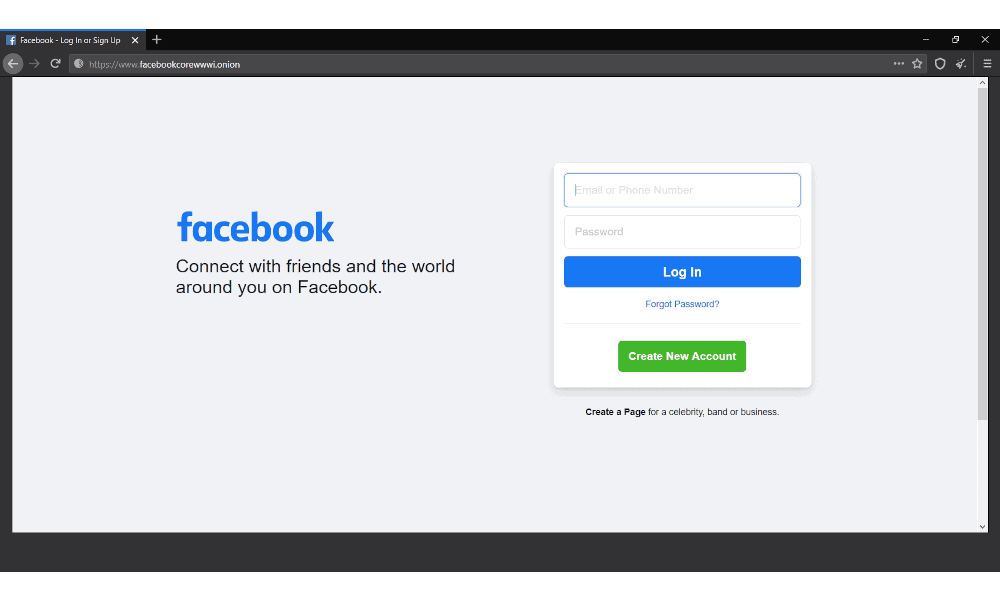
Some well-known organizations also maintain official .onion versions of their websites. These aren’t separate services; they simply provide an alternative way to access the same content through the Tor network for users who want additional privacy or need to bypass censorship.
Examples include DuckDuckGo, ProPublica and Facebook.
Deep Web vs Dark Web: What’s the Difference?
Although the terms deep web and dark web are often confused, they don’t mean the same thing.
The deep web refers to any online content that search engines don’t index, regardless of why it’s unavailable in search results. By contrast, the dark web is a small, intentionally hidden section of the deep web that requires specialized software such as Tor or I2P to access.
Most of the deep web consists of ordinary, legitimate services like email inboxes, online banking, cloud storage and subscription-based websites. The dark web, on the other hand, hosts hidden services that prioritize anonymity. While it has legitimate uses, such as protecting journalists, whistleblowers and people living under censorship, it can also be used for illegal activities because of the privacy these networks provide.
| Feature | Surface Web | Deep Web | Dark Web |
|---|---|---|---|
| Indexed by search engines | Yes | No | No |
| How you access it | A standard web browser | A standard web browser after signing in or receiving permission | Special software such as Tor to access .onion sites |
| Common examples | News websites, blogs, online stores, public forums | Email inboxes, online banking, cloud storage, medical portals, company intranets, paywalled publications | Anonymous forums, whistleblower platforms, privacy-focused services and illicit marketplaces |
| Primary use | Publicly available information and services | Private accounts, restricted content and internal systems | Anonymous communication and hidden services |
| Is it legal? | Yes | Generally yes, though some content may be restricted or illegal | Access is generally legal in many countries, but some activities and content are illegal |
| Risk level | Low | Low, provided you use trusted services | Higher due to scams, malware, fraud and illegal content |
How Does the Deep Web Work?
To understand why the deep web exists, it helps to know how search engines discover and display content. Pages generally only appear in search results after they’re crawled, indexed and served to users, so anything that prevents those steps can leave content outside the searchable web.
Crawling
Crawling is how search engines discover new webpages. Automated bots follow links across the internet to find content that they can potentially add to a search engine’s index.
Indexing
After discovering a page, a search engine analyses and stores it in its index. Indexed pages can then appear in search results if they’re relevant to a user’s query.
Serving
Serving is the process of displaying indexed pages in response to a search. Search engines rank the most relevant results before presenting them to the user.
Why Isn’t Deep Web Content Indexed?
A webpage becomes part of the deep web whenever search engines can’t or shouldn’t include it in their index. This usually happens because the content is private, restricted or generated only when requested, rather than because it’s intentionally hidden.
As I explained earlier, common reasons include login requirements, paywalls, access controls, database-generated pages, robots directives and pages that search engines can’t discover through public links. In other words, most deep web content exists to protect information or limit access, not to conceal it from the public.
What Is the Dark Web?
The dark web is a small, intentionally hidden part of the deep web that requires specialized software, such as the Tor Browser, to access. Unlike the rest of the deep web, which includes everyday private content like email accounts and online banking, the dark web is designed to provide greater anonymity for both users and website operators.
Although the dark web is often associated with cybercrime and illegal marketplaces, it also has legitimate uses. Journalists, whistleblowers, activists and people living under censorship may use it to communicate privately or access information anonymously.
Is the Dark Web Dangerous?
The dark web isn’t inherently dangerous, but it does carry more risks than the surface web. Many websites and marketplaces operate anonymously, making it easier for scammers and cybercriminals to impersonate legitimate services or disappear without warning.
Some of the most common risks include:
- Scams and fraudulent marketplaces: Products and services may never be delivered, and payment disputes are usually impossible to resolve.
- Phishing and impersonation: Criminals often create fake websites or impersonate trusted organizations to steal usernames, passwords and financial information.
- Malicious downloads: Some files and software contain malware, ransomware or spyware designed to compromise your device.
- Exposure of personal information: Sharing personal details or downloading unknown files can put your identity and sensitive data at risk.
- Illegal content: Some parts of the dark web host illegal material or marketplaces. Simply accessing the dark web is generally legal in many countries, but participating in illegal activities is not.
If you choose to visit the dark web, stick to trusted sources, avoid downloading unknown files and protect your connection with one of the best VPNs for the dark web.
What Was the Silk Road?
The Silk Road was one of the first and most well-known marketplaces on the dark web. Launched in 2011, it allowed users to buy and sell illegal goods (primarily drugs) using Bitcoin and the anonymity provided by the Tor network.
The marketplace was shut down by the FBI in 2013, and its founder, Ross Ulbricht, was arrested and later sentenced to life in prison. In 2025, Ulbricht received a full presidential pardon and was released from prison.
Although the Silk Road no longer exists, it remains one of the most famous examples of how the dark web has been used for illegal activity. Since its closure, other illicit marketplaces have appeared and disappeared as law enforcement agencies continue to target criminal operations on the dark web.
How Do I Access the Dark Web Using Tor?
You don’t need Tor to access the deep web. Most deep web content, including email accounts, online banking, cloud storage and streaming services, is available through a regular web browser after you sign in. However, if you want to visit the dark web, you’ll need specialized software such as the Tor Browser to access .onion websites.
The Tor Browser is the easiest way to access the dark web because it routes your internet traffic through the Tor network, helping to protect your privacy.
What You Need Before Using Tor
You don’t need much to access the dark web safely. Before you get started, make sure you have:
- A supported device: The Tor Browser is available for Windows, macOS, Linux and Android. iPhone and iPad users can use Onion Browser instead.
- The official Tor Browser: Always download the Tor Browser from the official Tor Project website to reduce the risk of installing a modified or malicious version.
- A legitimate .onion address: Unlike regular websites, dark web services use .onion addresses. Make sure you obtain these from trusted sources, as fake or fraudulent links are common.
- Download a browser that supports Tor
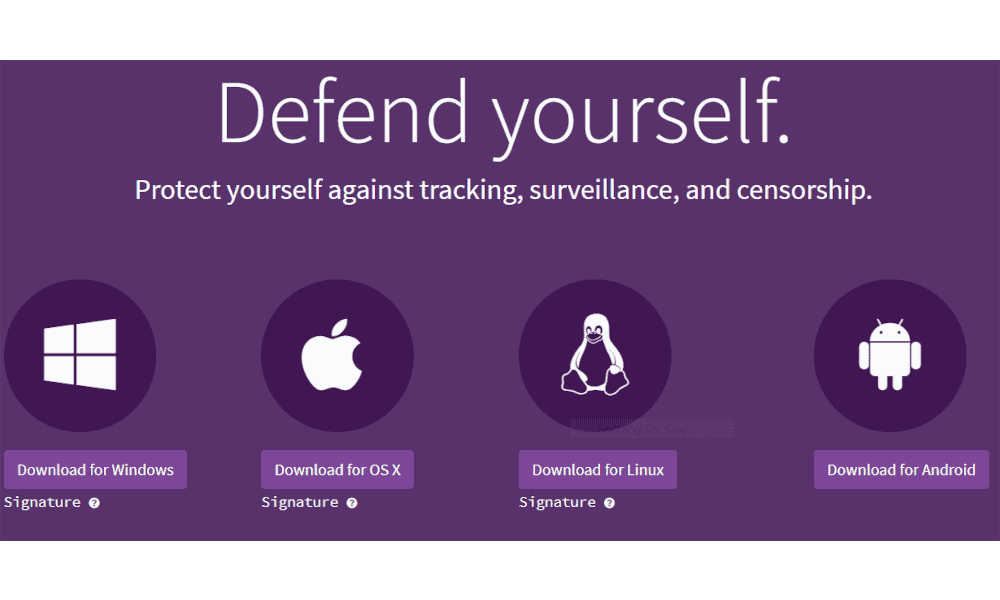
The first step in accessing the dark web or deep web with Tor is simply downloading the browser from the Tor Project’s website, then installing it using the .EXE file.
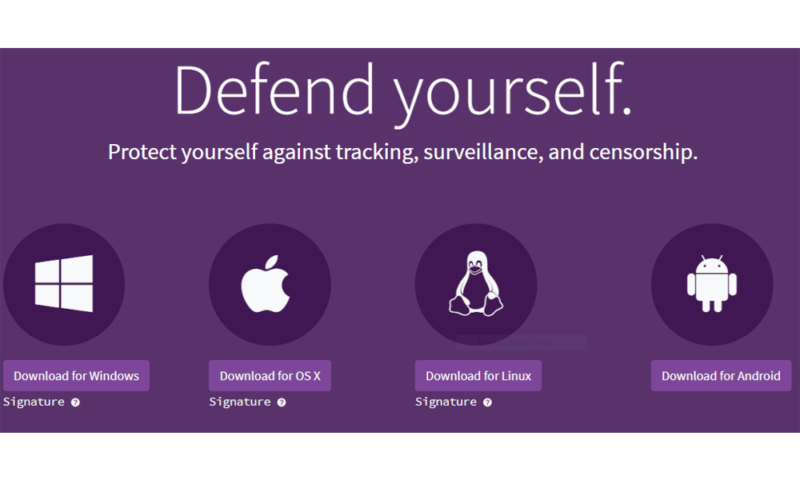 You can download the Tor Browser directly from the Tor Project’s website.
 - Connect to the Tor network
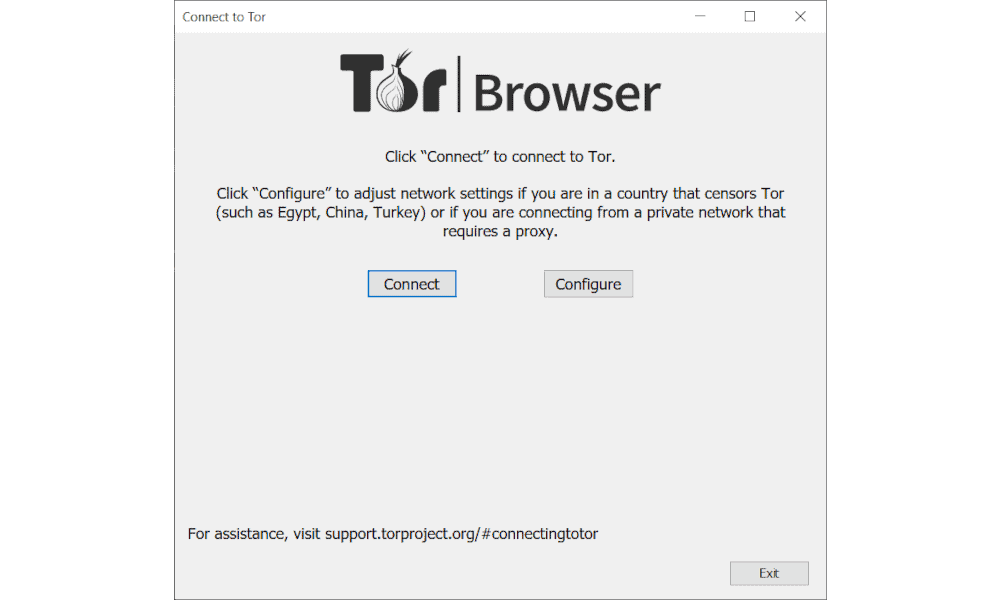
Once you open the browser, you’ll be presented with a window that lets you configure your Tor connection, but most users can skip this entirely and just click on “connect.”
This will open what looks like a very traditional web browser. From here, you need to get your hands on the address for the deep web site that you want to visit, which is called an “onion address.”
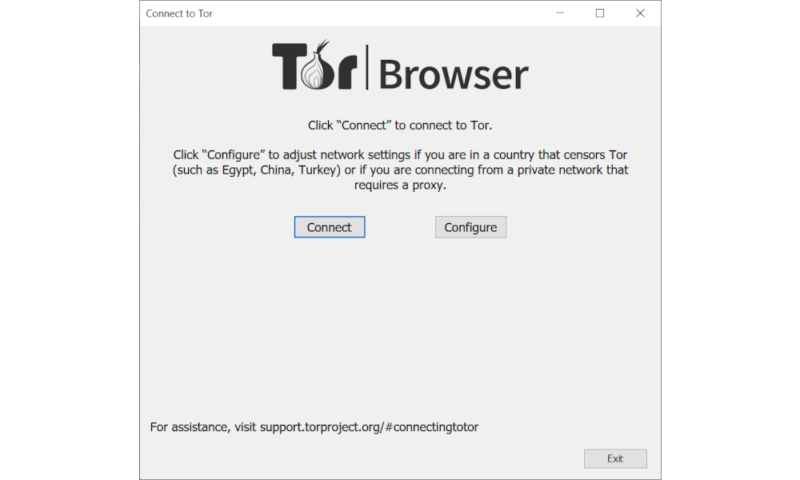 Unless you live in a country that blocks the Tor protocol, you can simply click the “connect” button to get started.
 - Visit a trusted .onion website
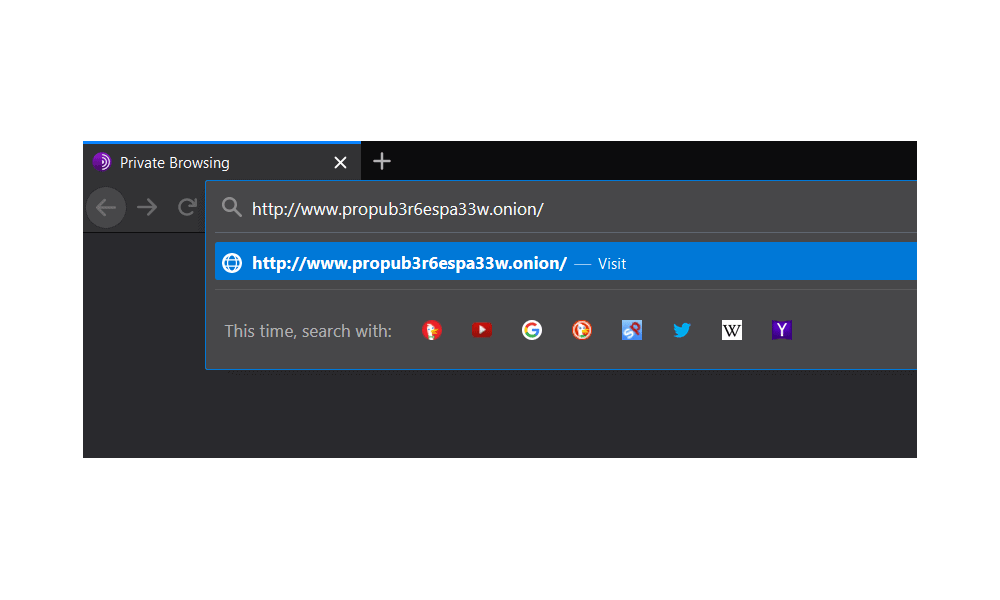
You can use DuckDuckGo, which is Tor Browser’s default search engine, or The Hidden Wiki to find addresses. Once you have that, simply paste it into the search bar and press enter, and the website will load just like it would on the regular surface web.
Avoid downloading unknown files, sharing personal information or signing in with accounts that could identify you.
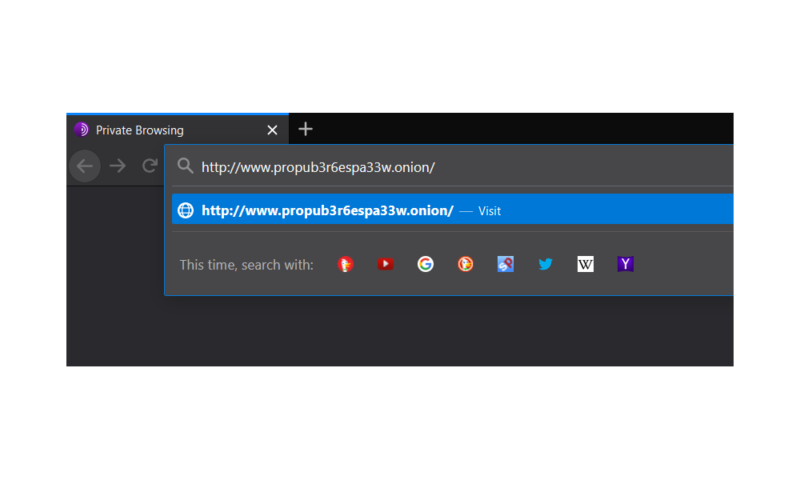 Type in a .onion address just like you would a regular web address and you’re set.
What Is the Future of the Deep Web?
As long as there’s a demand for the ability to privately browse the internet and, more importantly, host websites anonymously, the deep web will exist. Due to its decentralized structure, there is no real way to “shut down” the deep net, just like you can’t really shut down the regular internet.
Unlike the surface web where the Internet Archive preserves historical content, the intentionally ephemeral nature of many deep web sites presents unique digital archival challenges, with some academic institutions now developing specialized ethical frameworks for preserving historically significant deep web content.
Final Thoughts
Although the deep web and the dark web may seem intimidating and dangerous, they’re actually surprisingly simple services to get started with and use. Many use the technology to engage in illicit activities, but there are many legitimate reasons for accessing the deep net, especially in countries with poor digital privacy laws such as the United States.
You could certainly go much deeper into the topic, but we hope the information provided here has given you a basic understanding of what the deep web/dark web are, how they function and why they exist. More importantly, you should now know how to access these hidden sectors of the internet at your leisure.
What did you think of our guide? Did it answer your questions about the deep web or are you just as confused as you were before? Let us know in the comments below. Thank you for reading.
FAQ
No. Most deep web content, including email accounts, online banking, cloud storage and streaming services, is accessed through a regular web browser after you sign in. You only need Tor or similar software to access the dark web, which is a small, intentionally hidden part of the deep web.
No. The deep web includes any online content that search engines don’t index, such as private accounts, medical portals and company intranets. The dark web is a small subset of the deep web that requires software like the Tor Browser to access and is designed to provide greater anonymity.
Yes. Accessing the deep web is generally legal because it mostly consists of everyday online services and private websites. However, individual content or activities may still be illegal depending on your location and what you’re accessing.
Common examples include email inboxes, online banking, cloud storage, streaming accounts, medical portals, academic databases and company intranets. These services are part of the deep web because their content isn’t publicly indexed by search engines.
Google can only search content that it can crawl and index. Private accounts, paywalled content, password-protected pages and many database-generated pages aren’t included in Google’s search results, so they form part of the deep web.